
Whoa, this feels surprisingly fast. Solana’s explorers have matured in a way that still surprises me sometimes. I used Solscan daily when tracking tokens and emerging NFTs. Initially I thought explorers were interchangeable, but I noticed UX and API differences. That realization pushed me to test Solscan’s token tracker, NFT pages, and historical graphs against other tools, and the differences changed some of my workflows.
Really, no joke here. The interface shows balances, holders, and transfer history with minimal friction. Search is responsive even on noisy RPC nodes, which I appreciate. On one hand the speed feels native, though actually some complex queries still time out depending on the cluster and the query parameters I pick. So I started comparing docs, transaction decoders, and API speed to understand the differences.
Hmm… here’s my gut. The NFT tracker is where Solscan often shines, for me at least. You can see minting events, metadata updates, and even royalty enforcement traces. Initially I thought all NFT pages were basically the same, but with Solscan I noticed instant image rendering, clearer provenance, and direct links to creators’ wallets, which actually simplifies verification for collectors. That matters when collections drop and you need to confirm mints and royalties.
Seriously, yep it’s useful. The token tracker surfaces supply, decimals, and holder distributions in an accessible layout. It also highlights large transfers and shows tokens held by exchanges or whales. On the analytics side there are charts for volume and holder count over time, though the depth of historical data may vary depending on your RPC cache and whether snapshots were taken. When auditing tokenomics I use charts and transfer groupings to model behavior.
Here’s the thing. API access is a real differentiator for devs building wallets or dashboards. Solscan’s API endpoints are documented and practical for a lot of common tasks. I tested token balance endpoints during airdrops and found them consistent with ledger snapshots, although occasional RPC hiccups require caching strategies in production. If your app needs real-time monitoring, pair Solscan’s API with a webhook service.
Okay, small quibble. Sometimes the search terms are picky about exact cases or token symbols. That tripped me up when looking for wrapped tokens with similar names. Also, index freshness can vary across clusters, so a newly minted token might not show up immediately in holder lists unless the indexer picks it up—and that lag can be frustrating during mint windows. I cross-check with on-chain signatures and raw RPC calls during indexing delays.
I’m biased, slightly. I prefer explorers that provide context, not just raw data dumps. Solscan adds contract read buttons and quick access to verified source code. That extra context shortens investigation time when I’m tracing token approvals or hunting suspicious contracts, especially when time is scarce and decisions are urgent. On a Monday morning when a client flags a suspicious transfer, having contract creation dates, labeled known exchanges, and decoded instructions saves hours compared to spinning up a local node and parsing transactions manually.
Wow, low friction. For experienced NFT collectors, a few key Solscan features stand out immediately. Token metadata previews with direct IPFS links are especially handy for quick verification. They reduce the time spent switching between platforms and reduce the risk of falling for phishing pages that mirror metadata but serve different assets. Plus, minting event timelines make it easy to see if a secondary sale quickly followed a mint (which sometimes indicates bots or front-running), and that pattern can inform whether you bid on an item.
Somethin’ bugs me. Privacy-conscious users may dislike the depth of on-chain labeling. Labels are useful though they can reveal more than some users expect. On one hand labels help investigations, though actually they rely on heuristics and centralized inputs which can misattribute ownership if not reviewed carefully. I urge teams to treat labels as signals not gospel, and to corroborate with transaction graphs and signed messages when possible to avoid false positives in compliance checks.
Hmm, I’m not 100% sure. For builders, cost matters—API pricing and rate limits will shape adoption. Free tiers are generous but check quotas and SLA if you’re production-bound. If you’re shipping a wallet or an analytics dashboard, design your architecture assuming occasional outages and include caching layers, retries, and user-visible stale-data indicators. Also, keep an eye on governance and updates—indexing strategies evolve and a stable API today might change with new features aimed at scalability or monetization.
Okay, final thoughts. Solscan feels practical, very very fast, and intentionally designed around real user needs. The NFT tracker and token insights are particularly useful for collectors, traders, and auditors. Initially I prioritized raw speed, but after spending months using different explorers I realized that clarity, verified source integration, and reliable APIs often matter more than shaving milliseconds off a query. So if you’re building on Solana or just collecting NFTs, Solscan is worth adding to your toolkit, though like any tool it has limitations and requires complementary checks.
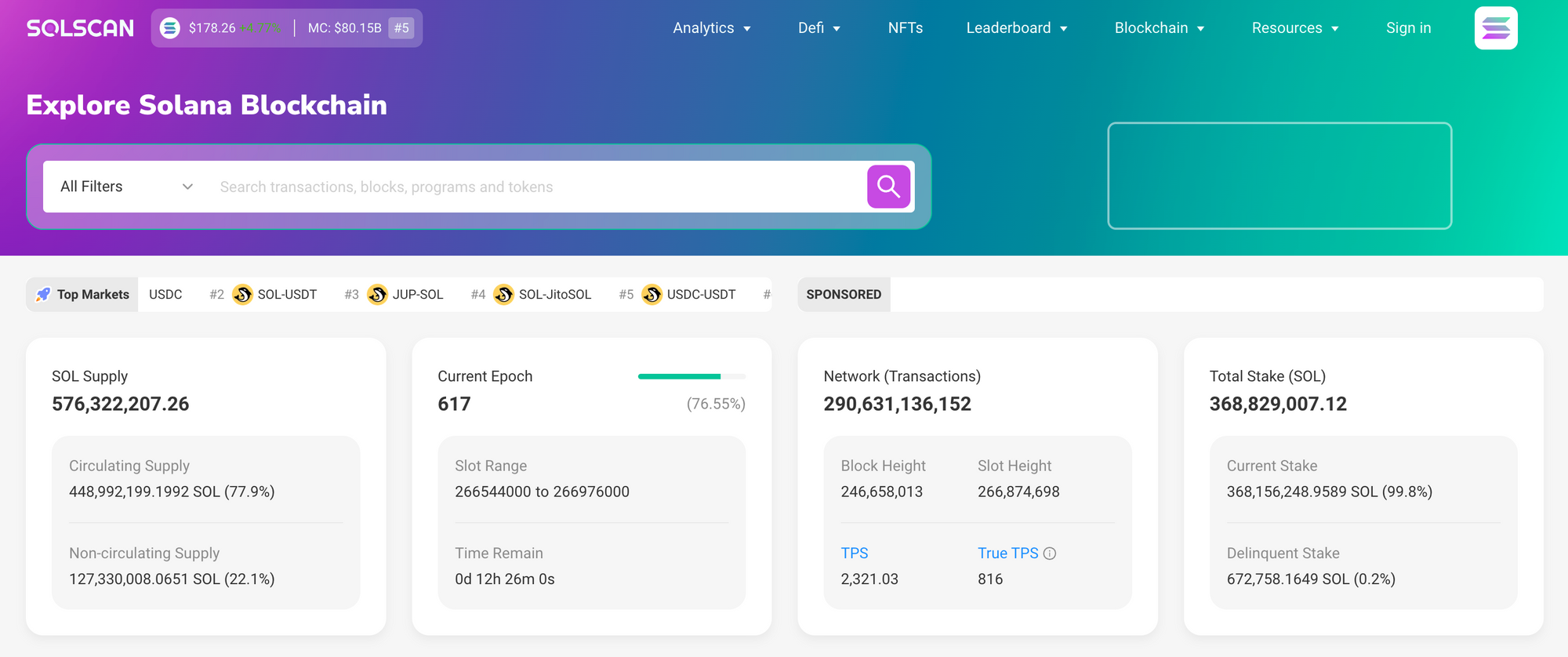
Why I recommend solscan explorer
Okay, so check this out—use the explorer when you need a fast read on holders, tokenomics, or NFT provenance. I’m biased, but the mix of UI clarity and API practicality makes it a go-to for compact investigations and quick verifications. If you value context and speed, it’s a solid first stop, even though you should still cross-check critical findings.
FAQ
Can Solscan track newly minted tokens right away?
Usually yes, but sometimes indexers lag. If a mint happened seconds ago, give the indexer a minute or two, and if it’s urgent use direct RPC calls to confirm the transaction signature.
Is the Solscan API suitable for production apps?
It can be, but plan for limits. Use caching, retries, and webhooks or a streaming layer for real-time needs. And monitor quotas—the free tier is generous, but production scale often requires a paid plan or complementary services.